
Why seed-oil-free meals actually matter
You read ingredient labels. You pay attention to what goes into your body. But seed oils are sneaky, they show up in places you'd never expect, including at restaurants that market themselves as "healthy."
Here's what you need to know, and why it matters more than ever in 2026.
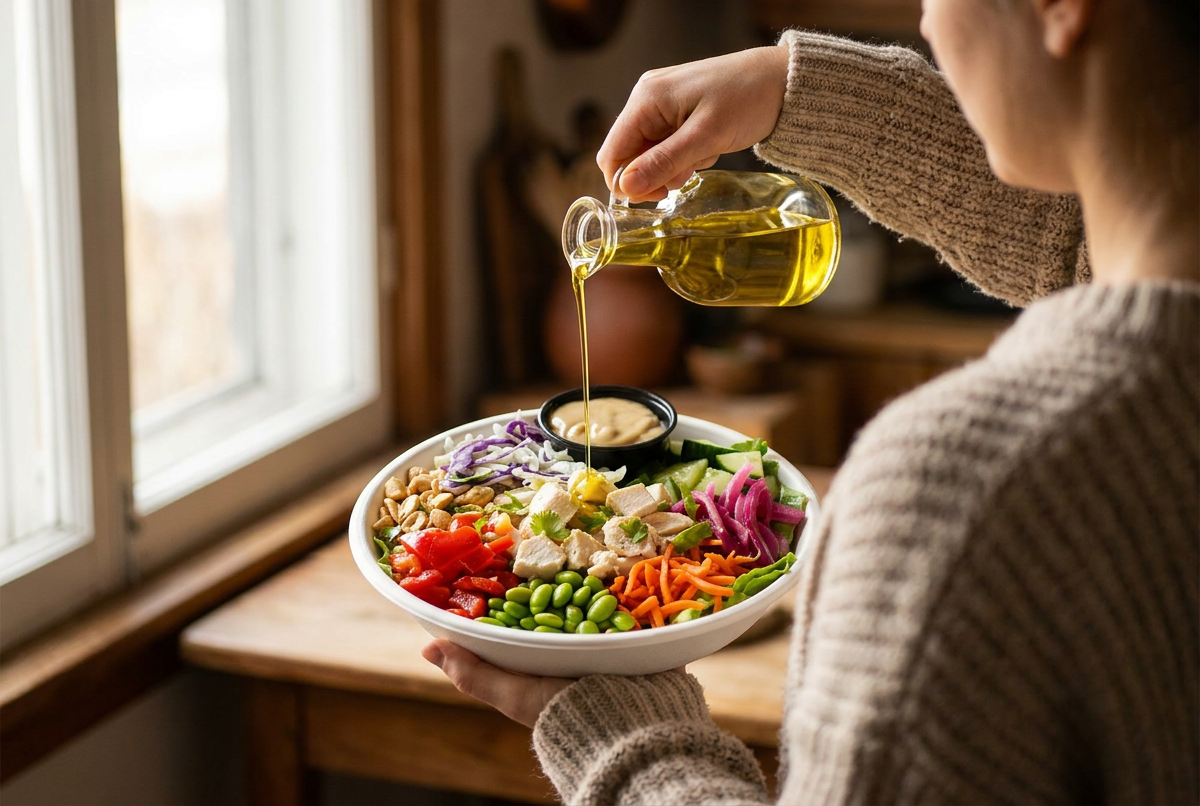
What Are Seed Oils, Exactly?
Seed oils are highly processed vegetable oils extracted from seeds, think canola, soybean, sunflower, corn, cottonseed, and safflower oil. They're cheap, shelf-stable, and used widely in restaurant kitchens and packaged foods.
The problem isn't the seeds themselves. It's the extraction process. Most commercial seed oils go through high-heat processing, chemical solvents, and deodorization before they ever reach a pan. What you're left with is an oil that's far removed from anything found in nature.
These oils are also very high in omega-6 polyunsaturated fatty acids. Your body needs some omega-6, but the modern diet already delivers far more than it needs and seed oils push that ratio even further out of balance.
Why So Many People Are Cutting Them Out
The conversation around seed oils has grown significantly. More people who care about inflammation, energy, and long-term health are looking at what their food is actually cooked in, not just what's on the plate.
Here's why seed oils raise flags for health-conscious eaters:
Oxidation under heat. Polyunsaturated fats are unstable at high temperatures. When seed oils are used for cooking, they can oxidize and produce compounds that aren't doing your body any favors.
Omega-6 overload. A heavy imbalance of omega-6 to omega-3 fatty acids is associated with higher levels of inflammation in the body.
Hidden everywhere. Salad dressings, sauces, marinades, roasted vegetables at restaurants — seed oils are the default in most commercial kitchens, even at spots that feel fresh and healthy.
This isn't about fear. It's about knowing what you're actually eating, especially when you're putting in the work to eat well.
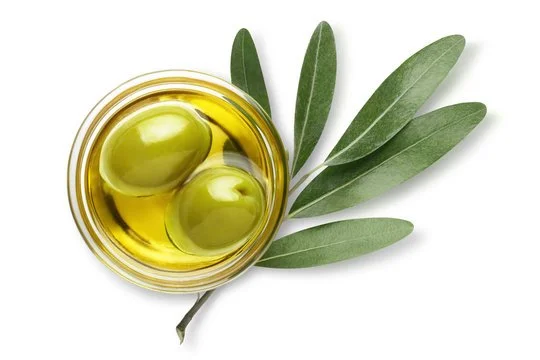
What Seed-Oil-Free Actually Looks Like on a Menu
Avoiding seed oils at home is manageable. Avoiding them when you're eating out? That's where it gets hard.
Most restaurants, even well-intentioned ones, use seed oils because they're inexpensive and have a long shelf life. Switching to better alternatives like avocado oil, olive oil, or coconut oil costs more and requires a real commitment to ingredient quality.
That's exactly what makes Healthy Habit different. Every item on the menu is prepared without seed oils. That's not a marketing claim tacked onto a few dishes, it's the foundation the entire kitchen is built on. Salads, bowls, toasts, smoothies: all of it, seed-oil-free.
When you order a Steak & Fig sandwich or a Tropical Shrimp bowl, you're not guessing what it was cooked in. You already know.
The Hilton Head Difference
No other restaurant on Hilton Head Island explicitly commits to a seed-oil-free kitchen. That gap is real, and it matters to the people who are paying attention.
Whether you live on the island year-round or you're visiting and trying to keep your routine intact, finding a place that actually aligns with how you eat shouldn't require a research project. It should just be on the menu.
Healthy Habit was built for exactly that, fresh, nutrient-dense food without the shortcuts. Dine in, order online, or set up a weekly meal prep plan so clean eating stays easy all week long.
No seed oils. No compromises. Just food that actually fuels you.
FAQs
What are seed oils?
Seed oils are highly processed oils extracted from seeds such as canola, soybean, sunflower, and corn. They are commonly used in restaurant cooking and packaged foods because they are inexpensive and shelf-stable.
Why do people avoid seed oils?
Many health-conscious eaters avoid seed oils because they are high in omega-6 fatty acids, can oxidize when heated, and are associated with promoting inflammation when consumed in large amounts relative to omega-3 fats.
Are seed oils really that common in restaurants?
Yes. Even restaurants that position themselves as healthy often use seed oils in cooking, dressings, and sauces because they are the default, low-cost option in most commercial kitchens.
What oils are used instead of seed oils?
Common alternatives include avocado oil, extra-virgin olive oil, and coconut oil. These options are more stable under heat and have a different fatty acid profile than seed oils.
Is Healthy Habit’s entire menu seed-oil-free?
Yes. The entire menu at Healthy Habit is prepared without seed oils from hot bowls and salads to toasts and smoothies. It's a kitchen-wide commitment, not a limited selection.
Can I order seed-oil-free meals online or for meal prep?
Yes. Healthy Habit offers online ordering for pickup or delivery, as well as a dedicated meal prep service so you can have seed-oil-free meals ready throughout the week.
Where is Healthy Habit HHI located?
Healthy Habit HHI is a brick-and-mortar restaurant on Hilton Head Island, SC. You can find the full menu, order online, or explore meal prep options at healthyhabithhi.com.